Lapeng la Rona Edu-Village
“Our home” — a living laboratory for sustainability, innovation, community engagement, and student-led co-creation, where knowledge grows from the ground up.
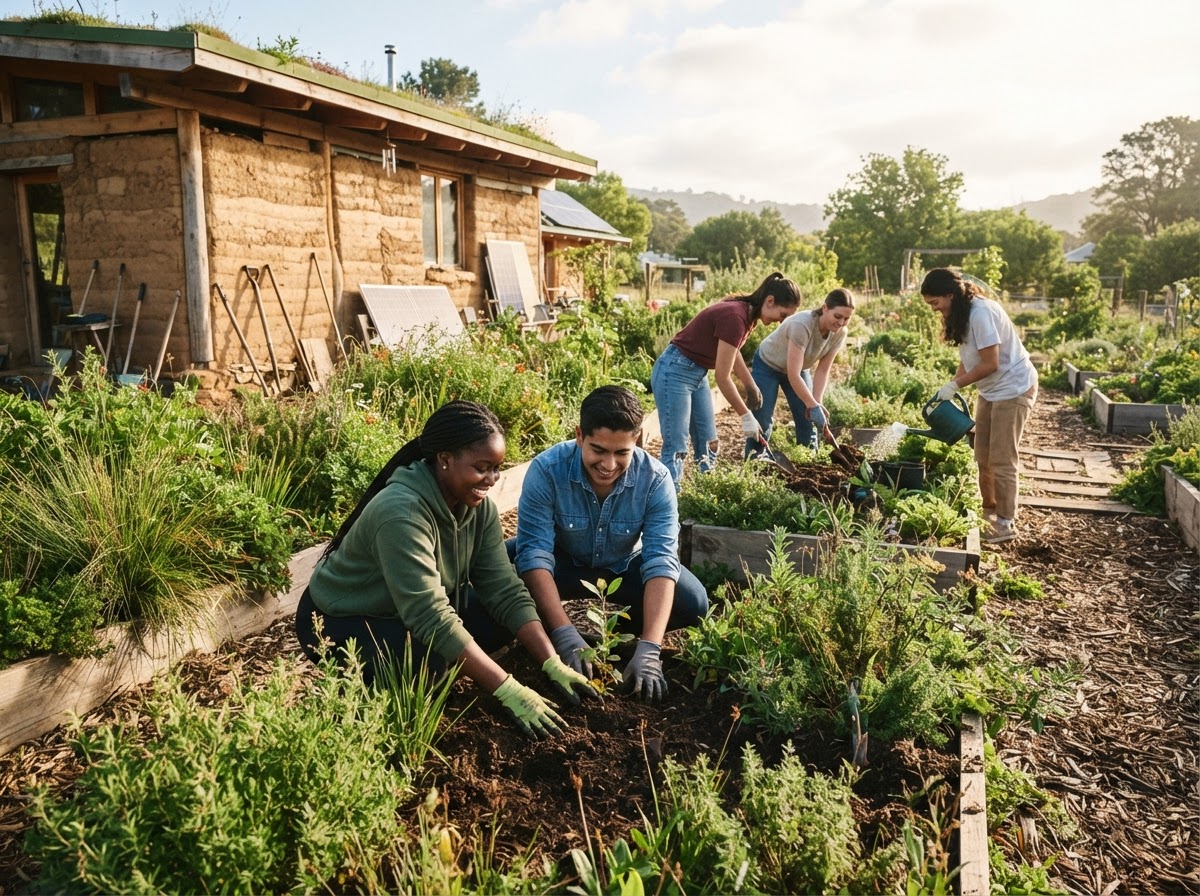
A home where knowledge grows from the ground
Lapeng la Rona Edu-Village is more than a project site \u2014 it is a living laboratory where students, staff, and community partners work side by side to build, plant, research, and care. Rooted in Sesotho tradition and the philosophy of Ubuntu, it transforms sustainability from a concept into a practice.
Here, earth walls are raised by student hands, indigenous gardens are tended by student care, and knowledge is co-created between the university and the community it calls home.
Mission
To provide a living space where students learn sustainability through practice, co-creation, and care for land and community.
Vision
A model living laboratory that inspires student-led sustainability and community co-creation across the Free State and beyond.
Our History \u2014 The Site Journey
Conception
The idea of a living laboratory is born — a home where students and community co-create.
Groundbreaking
First earth-walled structures raised; first indigenous garden beds planted.
Growing
Biodiversity projects expand; first harvest distributed to community partners.
Thriving
Wellbeing circles, EMS systems, and student research integrated into the living lab.
Becoming
The Edu-Village continues to grow as a model for student-led sustainability and co-creation.
Activities and projects on offer
The Edu-Village offers hands-on opportunities for every student \u2014 whether you come to build, plant, research, document, or simply be present in a community of care.
Biodiversity Stewardship
Survey, catalogue, and care for indigenous plant species in the Edu-Village gardens and surrounding natural areas.
Earth-Building Workshops
Learn traditional and sustainable earth-construction techniques — from rammed earth to natural plaster — hands-on.
Living-Lab Research
Conduct student-led research on sustainability, soil health, water management, and community wellbeing.
Community Co-Creation
Work alongside community partners to design, build, and maintain shared spaces and programmes.
Sustainable Agriculture
Grow, tend, and harvest food gardens using permaculture and regenerative practices — with produce returning to community.
Knowledge Documentation
Capture stories, reflections, and knowledge products that document the living laboratory's journey and impact.
Highlights, feedback, and reflections
Current projects at the Edu-Village \u2014 each one a living thread in the fabric of the living laboratory, with reflections from the students who shape them.
Biodiversity
ActiveIndigenous plant propagation, pollinator garden establishment, and species monitoring across the Edu-Village site.
“We've catalogued over 40 indigenous species this year — each one a teacher.” — Student reflection
Building Sciences
ActiveEarth-walled structures built and maintained by students, exploring sustainable construction and traditional Sesotho building knowledge.
“Building with earth taught me patience. The walls remember your hands.” — Student reflection
EMS (Environmental Management)
ActiveWater harvesting, composting systems, and waste-to-resource initiatives that close the sustainability loop on-site.
“Nothing is wasted here. Everything returns — to the soil, to the cycle, to the community.” — Student reflection
Wellbeing
ActiveOutdoor wellbeing circles, mindfulness in nature, and the integration of physical health with environmental stewardship.
“The garden is where I breathe. It's where the student in me meets the human in me.” — Student reflection
The Edu-Village, in pictures
A visual journey through the gardens, the earth walls, the circles, and the hands that shape this living laboratory.
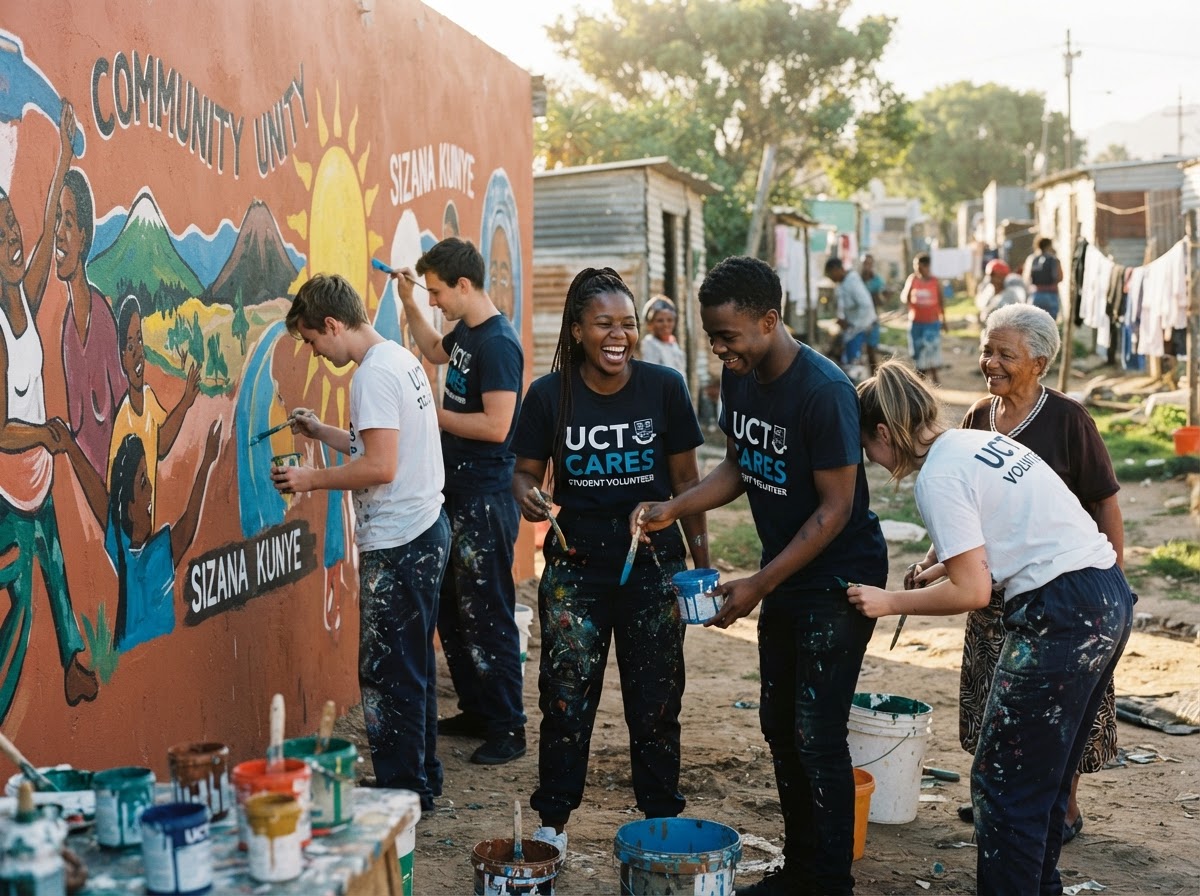


Built together, sustained together
The Edu-Village exists because of the generosity, expertise, and partnership of the organisations and communities who believe in co-creation.
Visit the Edu-Village
Come and see the living laboratory for yourself. Book a visit, join a workshop, or volunteer for a day in the gardens. Everyone is welcome at Lapeng la Rona.
Rea amohela \u2014 we welcome you home.